
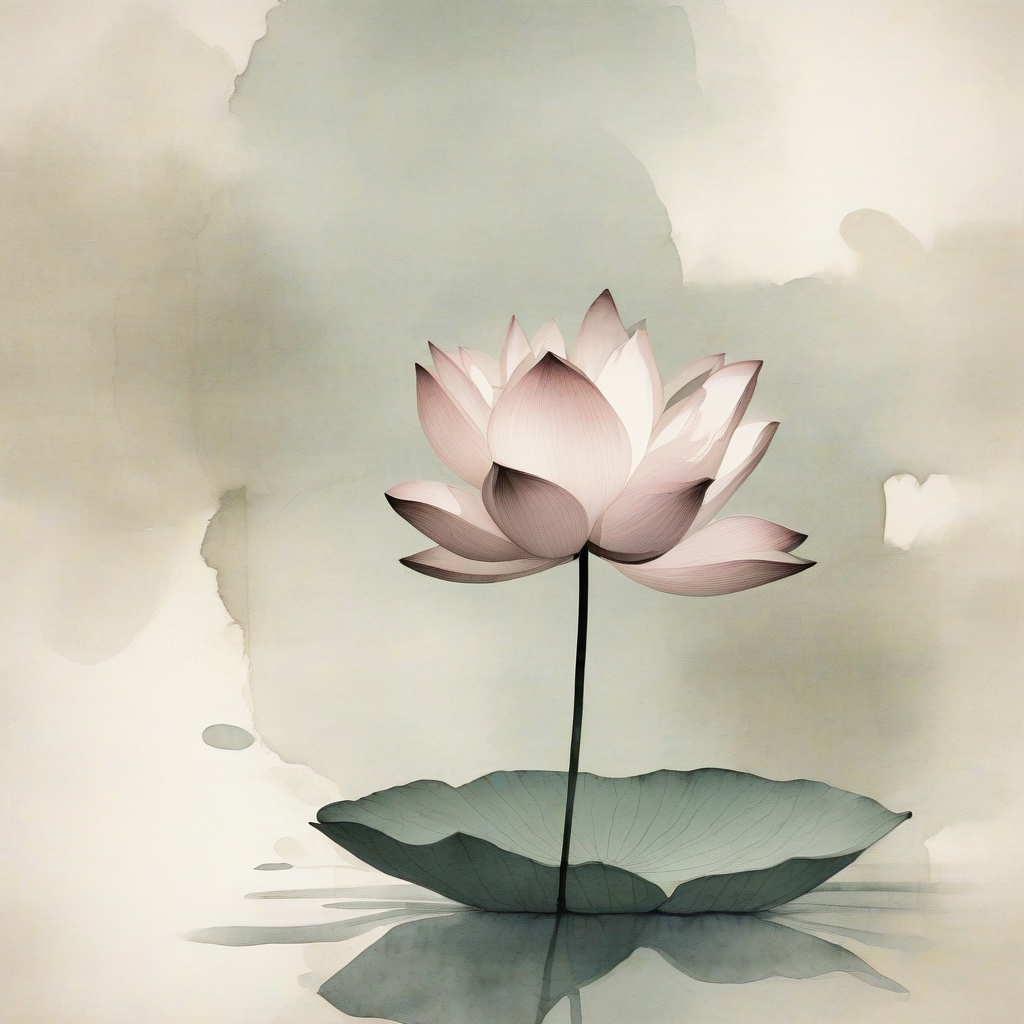
In the ceaseless currents of modern existence, marked by relentless demands and distractions, the cultivation of awareness (sati), mindfulness (vipassana), meditation (bhavana), and boundless compassion (metta) offers a profound refuge. The Buddha taught, "The mind is difficult to guard; it is swift and wanders wherever it wishes. To control it is good; a controlled mind brings happiness." (Dhammapada, verse 35). This timeless wisdom underscores the transformative power of bringing conscious attention to our present moment experience.
Mindfulness, as outlined in the Satipatthana Sutta, involves observing the body, feelings, mind, and phenomena with clear comprehension and equanimity. It is not merely a technique but a way of living, enabling us to discern the impermanent nature of all experiences (anicca) and the inherent unsatisfactoriness (dukkha) arising from attachment. Through consistent meditation practice, we learn to gently steady the mind, seeing things as they truly are, free from the distortions of craving and aversion.
Yet, true liberation extends beyond individual insight. Compassion, the heartfelt wish for all beings to be free from suffering, is the natural blossoming of an awakened heart. "Just as a mother would protect her only child with her life, even so should one cultivate a boundless mind of loving-kindness towards all beings." (Sutta Nipāta, Metta Sutta). In our interconnected world, practicing metta extends our circle of care, transforming not only our inner landscape but also our interactions, fostering a more harmonious and understanding society. These practices are not an escape from modern life, but a means to engage with it fully, wisely, and with an open heart.
RESONANCE
Comments 0
No comments yet. Continue the conversation in the TU app.
Want to write a comment or share your thoughts? Join the Sangha on the TU app.
Open TU App