
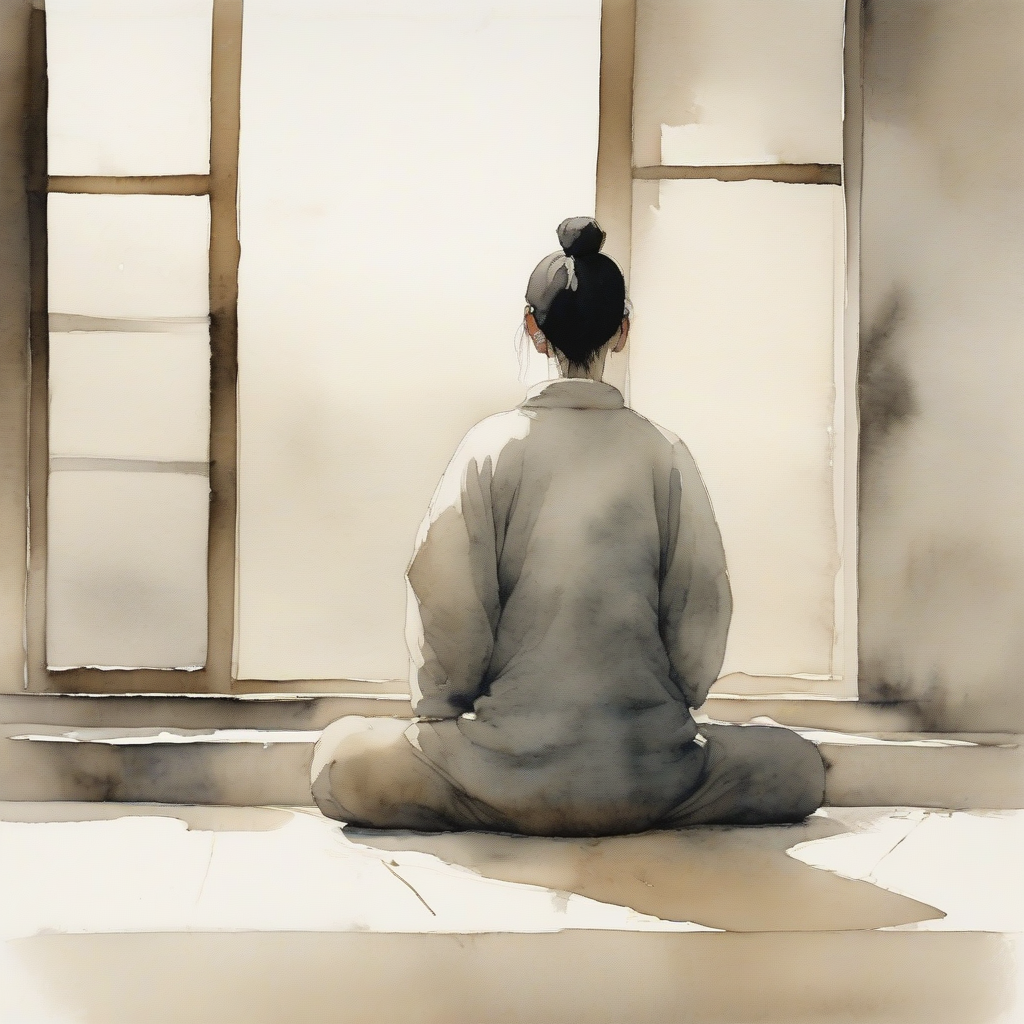
In the relentless currents of modern life, the ancient practices of mindful awareness (*sự tĩnh thức*), right mindfulness (*chánh niệm*), meditation (*thiền tập*), and compassion (*lòng từ bi*) offer a steadfast anchor. The Buddha taught that clinging to impermanent phenomena is the root of suffering. "All conditioned things are impermanent," states the Dhammapada (verse 277). In a world demanding constant attention and material pursuit, these practices guide us back to the present moment, fostering clarity and profound inner peace.
Right mindfulness, as expounded in the Satipatthana Sutta, is "the direct path for the purification of beings, for the overcoming of sorrow and lamentation, for the disappearance of pain and grief, for the attainment of the right method, for the realization of Nibbana." (Digha Nikaya 22, Majjhima Nikaya 10). It is through diligent observation of body, feelings, mind, and phenomena that we penetrate the illusion of a fixed self and the transient nature of existence.
Meditation is the cultivation of this awareness, calming the agitated mind. It is not an escape from reality but a deeper engagement with it, allowing us to respond wisely rather than react impulsively. Parallel to this individual cultivation is the boundless heart of compassion. The Karaniya Metta Sutta encourages us to cultivate loving-kindness "as a mother would protect her only child with her life, even so let one cultivate a boundless mind towards all beings." (Sutta Nipata 1.8). In modern society, compassion transcends personal well-being, extending to the collective, fostering empathy and connection amidst division. Embracing these tenets allows us to navigate the complexities of our age with resilience, wisdom, and a truly awakened heart.
RESONANCE
Comments 0
No comments yet. Continue the conversation in the TU app.
Want to write a comment or share your thoughts? Join the Sangha on the TU app.
Open TU App