
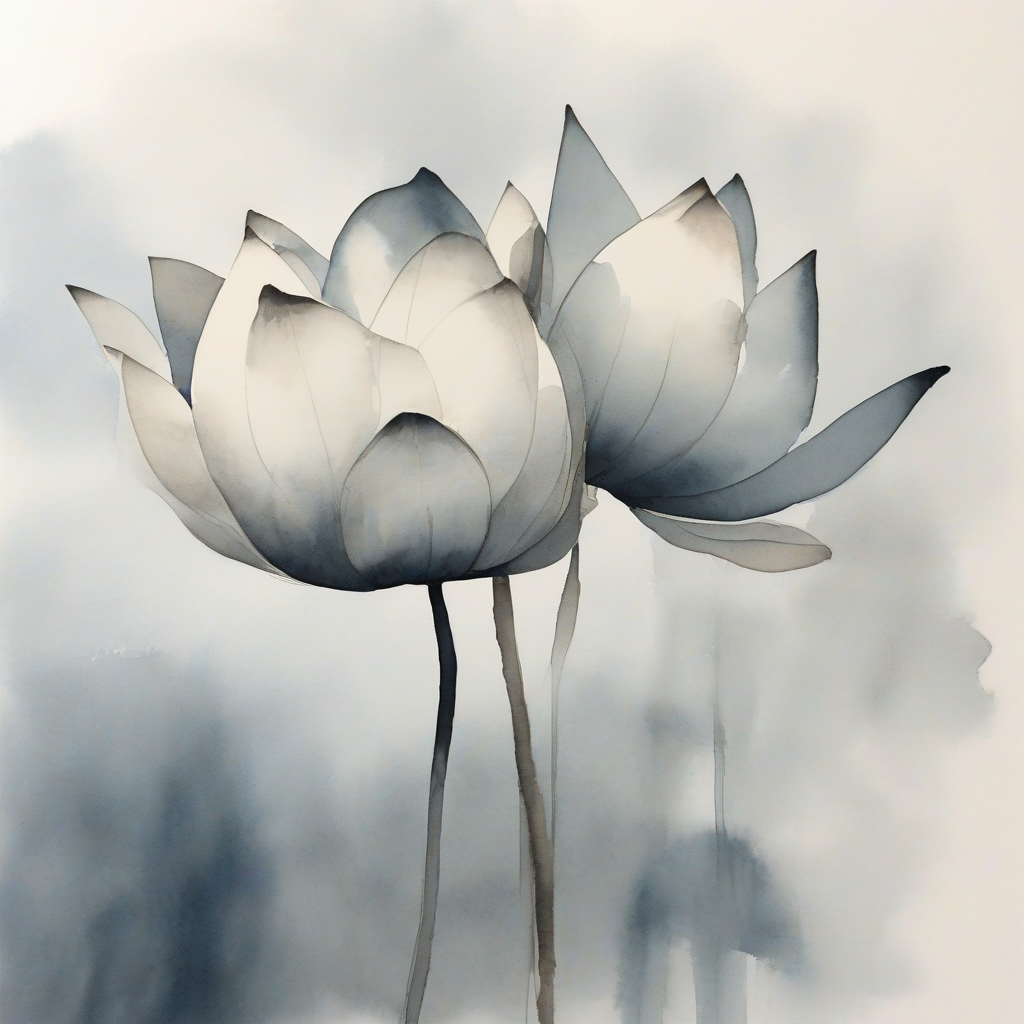
In the relentless currents of modern life, characterized by constant digital stimulation and pervasive societal demands, the cultivation of awareness (sati), mindfulness, meditation (bhāvanā), and boundless compassion (mettā) offers an essential anchor. The ancient wisdom of the Buddha provides a profound framework for navigating these complexities, transforming daily challenges into opportunities for profound inner growth.
Mindfulness, as expounded in the Satipatthana Sutta, encourages us to observe our body, feelings, mind, and mental objects with clear comprehension and equanimity. It is not merely a technique but a way of being, fostering present moment awareness that cuts through the distractions and anxieties of a fast-paced world. As stated in the Dhammapada (Verse 1), "Mind precedes all mental states. Mind is their chief; they are all mind-wrought. If with a pure mind one speaks or acts, happiness follows him like a shadow that never leaves him." This emphasizes the centrality of mental cultivation in shaping our experience.
Meditation, the practical application of mindfulness, deepens this awareness, allowing us to see phenomena as they truly are – impermanent, unsatisfactory, and without a permanent self. Through consistent practice, we develop the capacity to respond skillfully to stress rather than react impulsively.
Complementing this individual cultivation is the practice of compassion. In the Metta Sutta, the Buddha teaches the importance of radiating goodwill towards all beings, wishing them freedom from suffering. This expansive heart not only transforms our relationships with others but also purifies our own mind, dissolving ill-will and fear.
By integrating these practices – clarity of awareness, focused meditation, and boundless compassion – into our contemporary existence, we move beyond mere survival towards a life of profound meaning and tranquility, realizing the cessation of suffering amidst the world's demands.
RESONANCE
Comments 0
No comments yet. Continue the conversation in the TU app.
Want to write a comment or share your thoughts? Join the Sangha on the TU app.
Open TU App